What Makes a Spreader Set “Collectable”?
I’ve been thinking about why I purchase the spreader sets that I do. After all, Ebay usually has around 1,500 spreader sets listed for sale at any given time, and I only buy a few of them. Most collectors don’t collect indiscriminately; they narrow their buying criteria to items that interest them.
In my case, I certainly can’t afford to purchase all the spreaders I see online, nor do I have room (or want) to store all of them. But to be honest, most of the sets listed aren’t ones I would want to own.
Sometimes that’s because I’m not interested in the theme of a set, and sometimes it’s because the price is higher than I’m willing to pay. But often it’s because a set simply isn’t well-made or well-designed: sets that I would call “collectable.”
But what exactly do I mean by that? Clearly anything can be collected, right? So what is it that makes some sets more “collectable” than others?
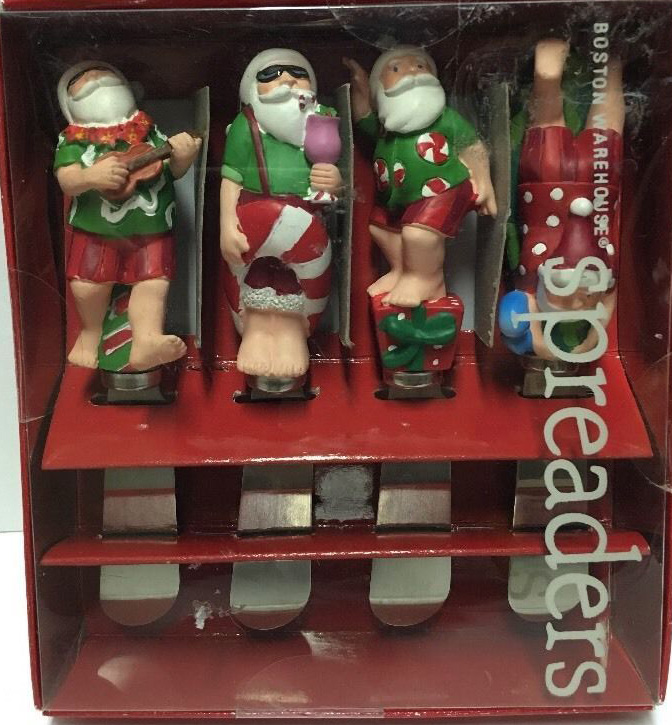
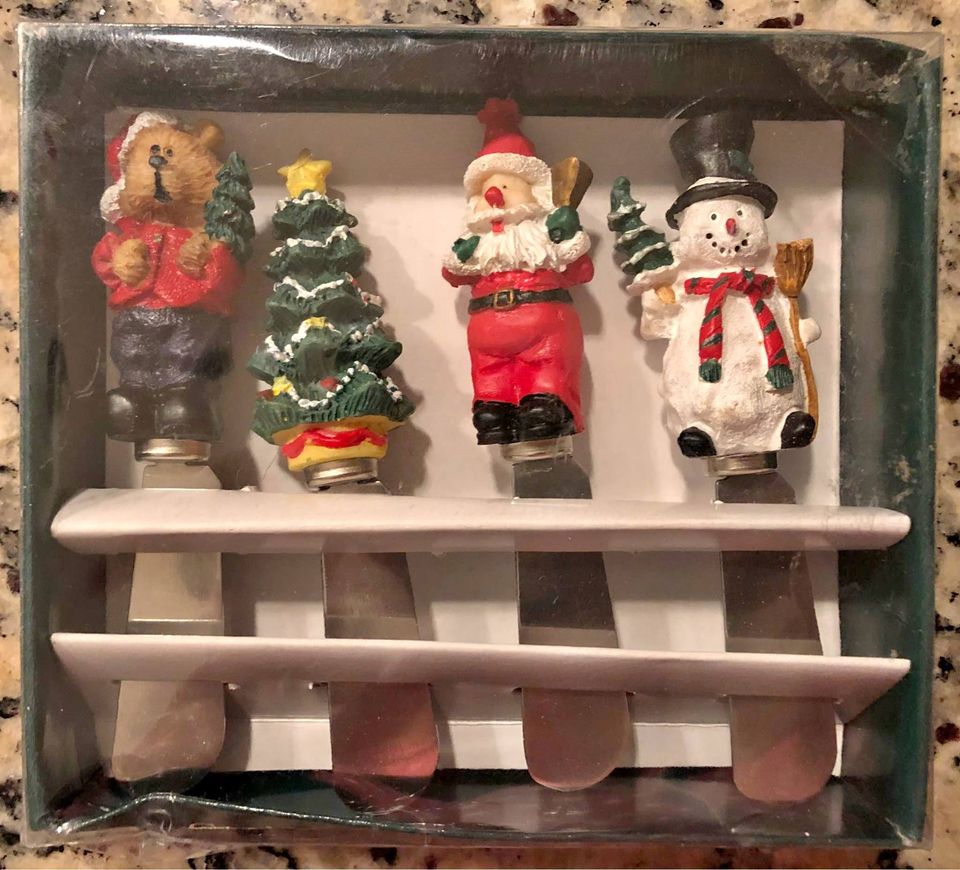
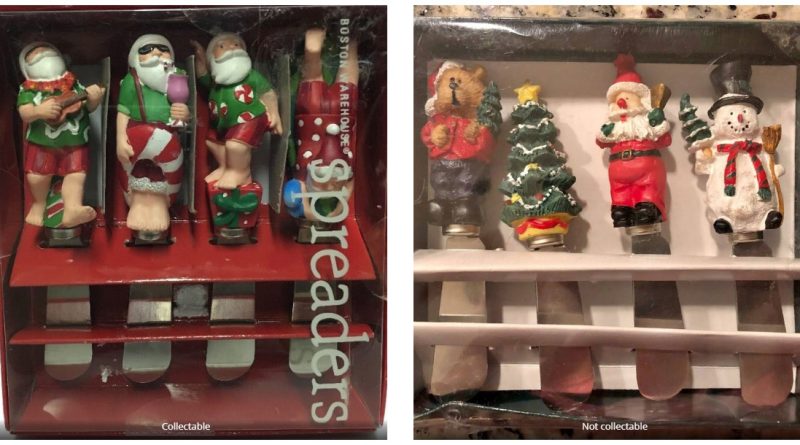
Collectability is undoubtedly in the eye of the beholder, but that doesn’t mean that there aren’t objective criteria by which it is assessed — just like those used by art experts to judge which art is worth purchasing for a museum and which is not. Following are the criteria that I believe contribute to spreader set collectability:
Subject or Theme
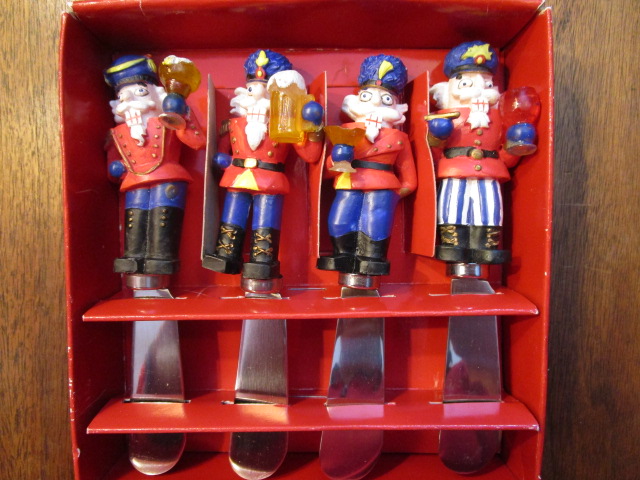
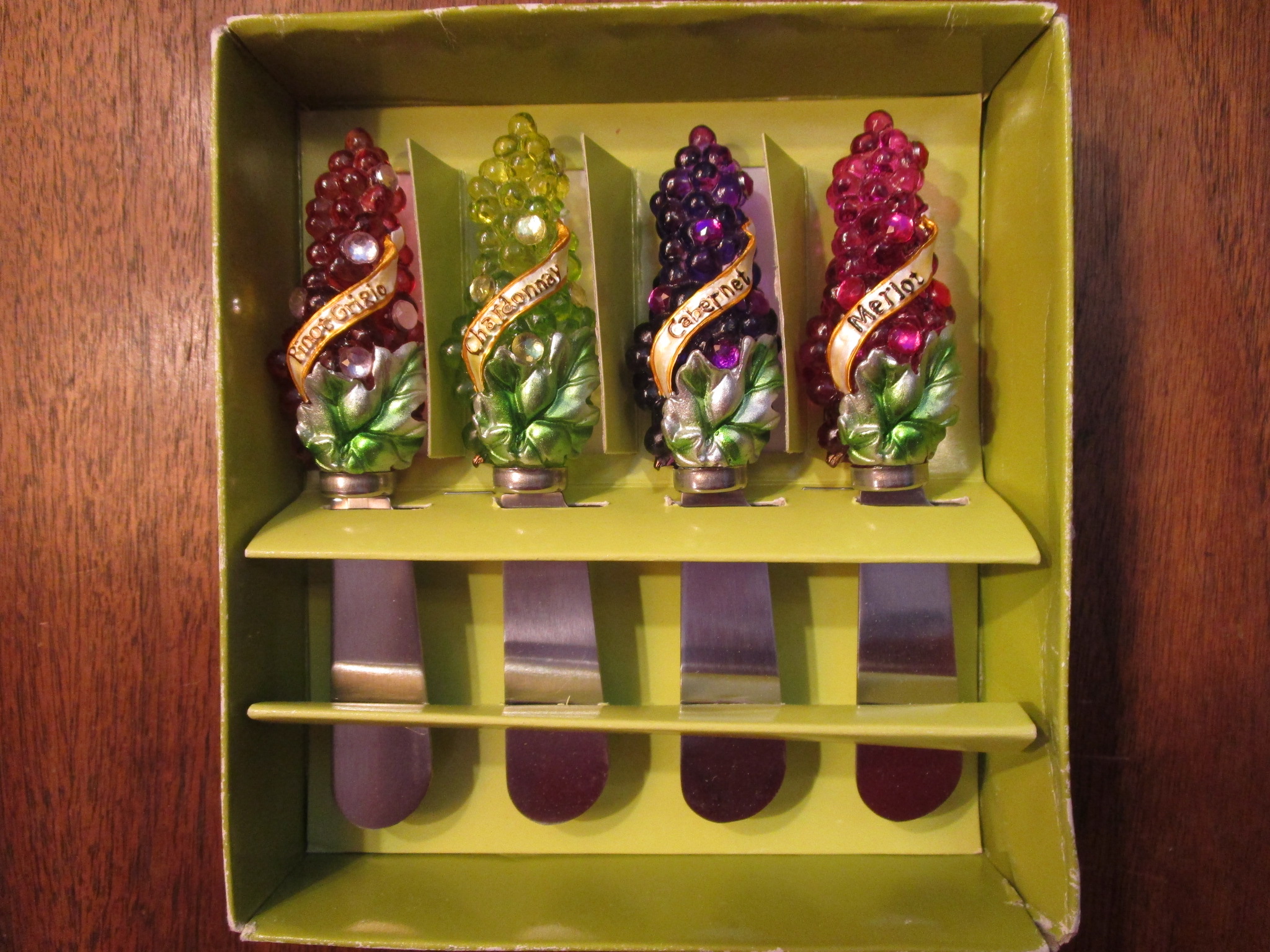
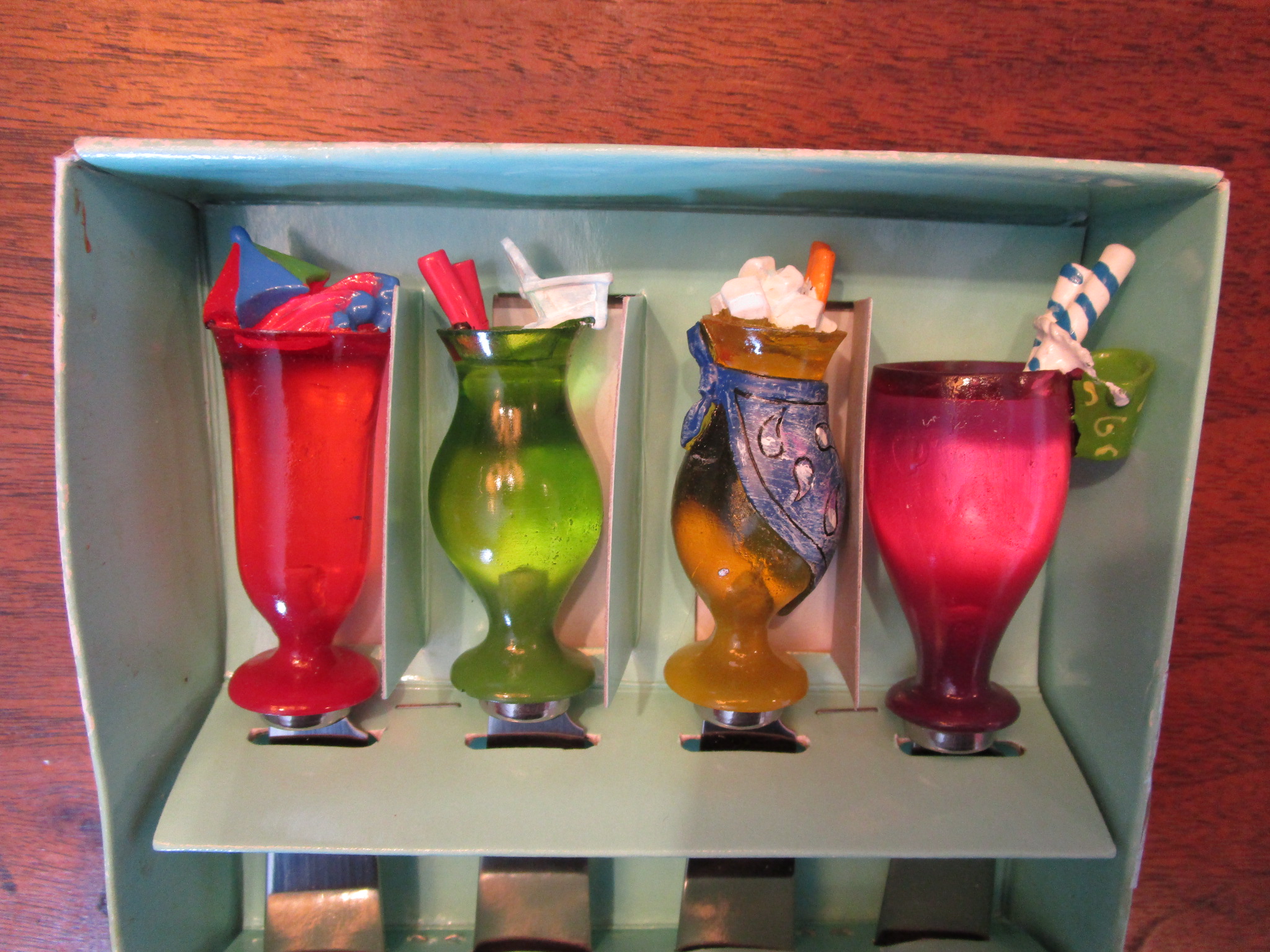
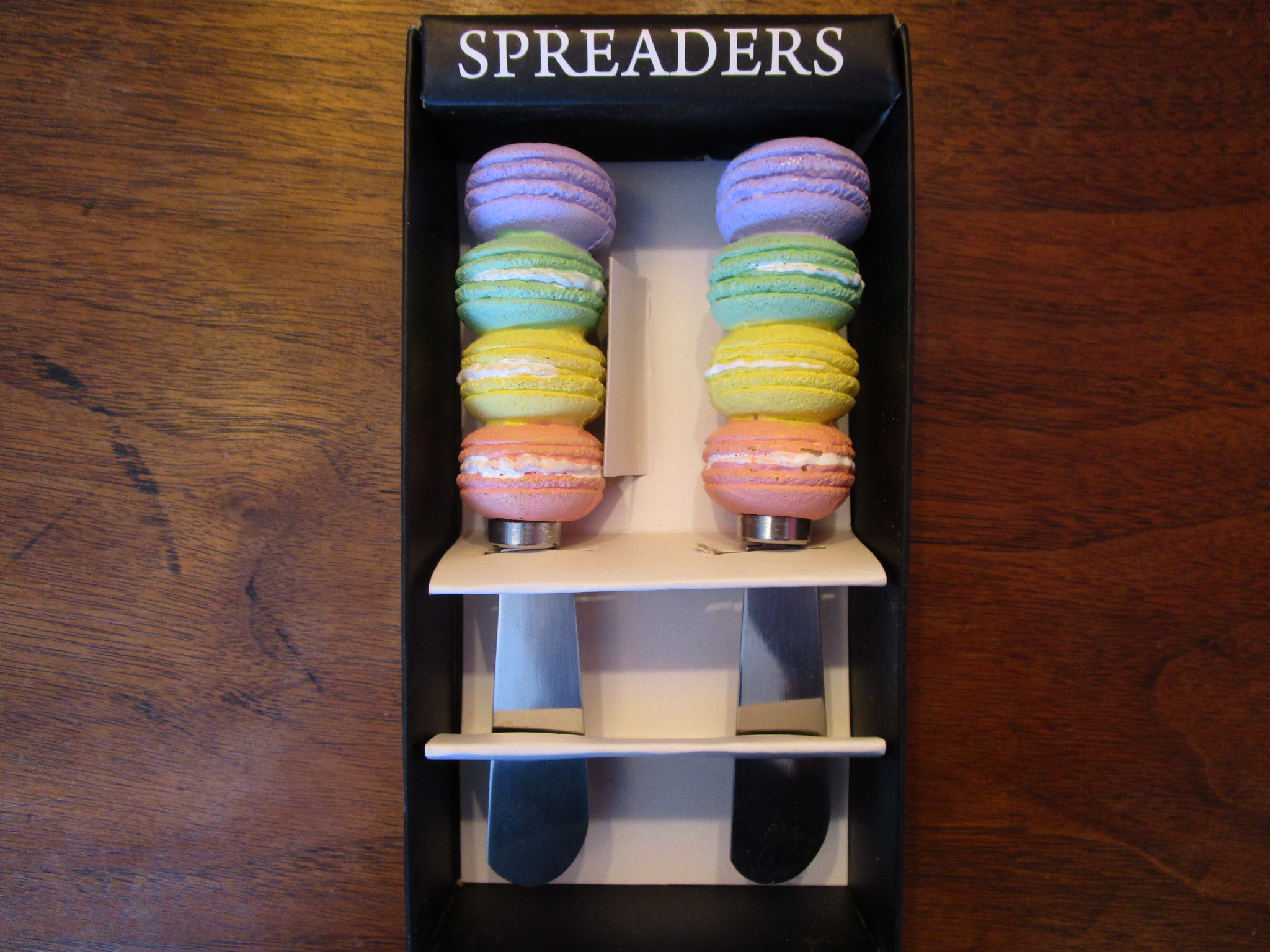
The first thing that most people look at in spreader sets (or salt & pepper shakers, etc.) is the subject or theme depicted by the set. Is the subject of interest to the collector?
For instance, I’ve noticed that many spreader sets tend to depict sports themes such as golf, and I’m not very interested in sports; or ocean themes, which I’m not particularly fond of (although tropical-themed spreader sets are a different matter). As a cataloger of sets, I’m certainly interested to know that such sets exist and to find and save images of them. But I don’t usually want to purchase them for my own collection.
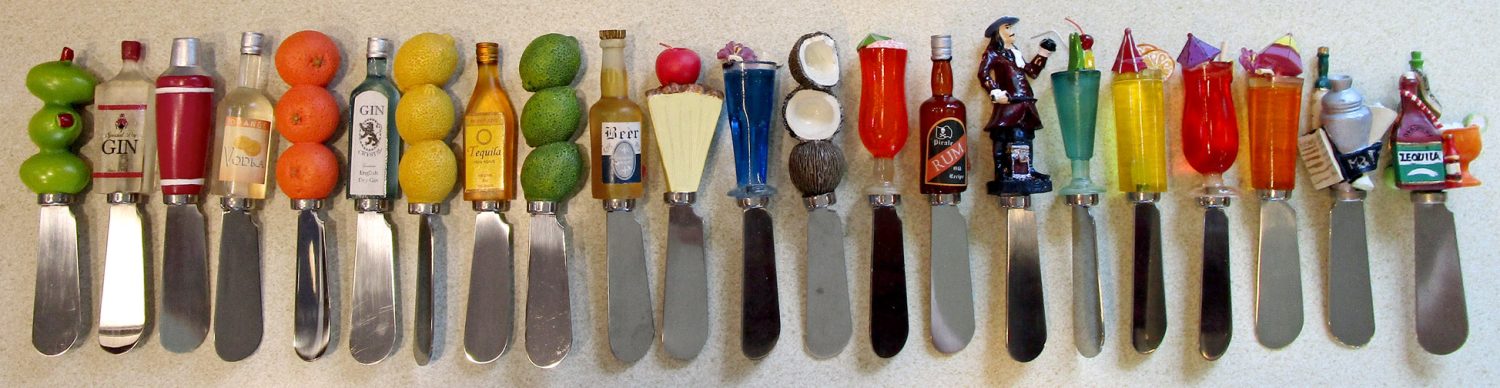
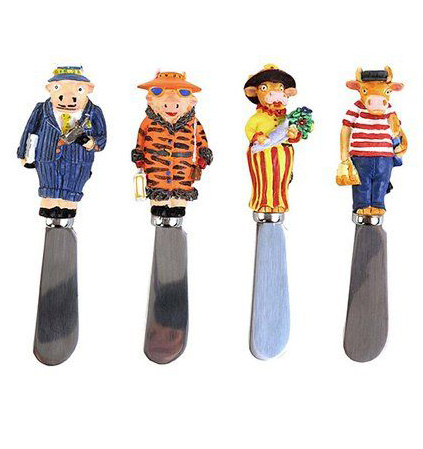
My personal collecting tastes tend toward subjects like food and drinks (especially anything to do with cocktails or tropical drinks); animals and people, licensed spreaders (particularly food brands), and especially miscellaneous objects such as architecture, kitchen items, and Asian-themed objects. But I don’t limit myself to just those subjects if I find a set that I like.
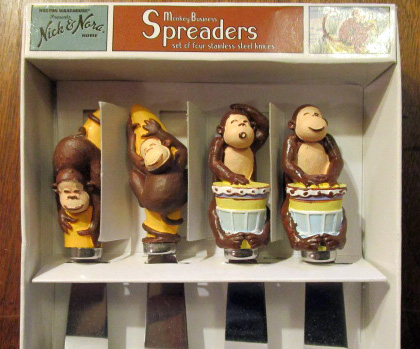
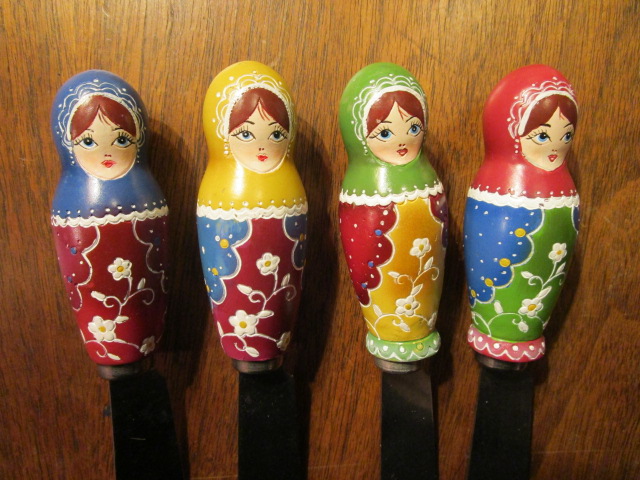
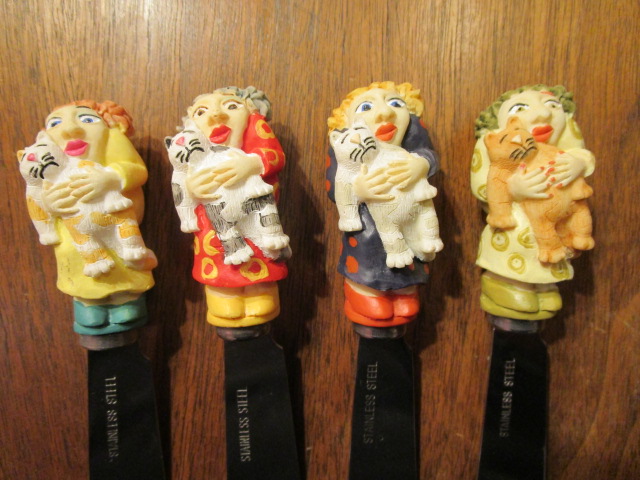
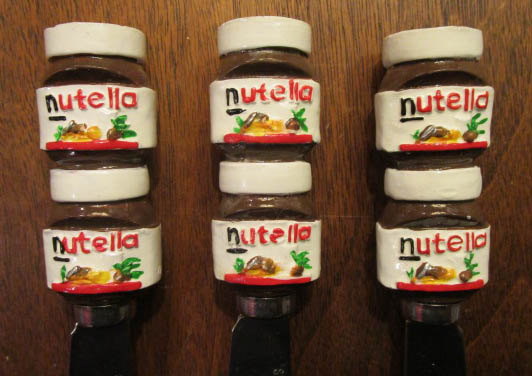
Brand
Collecting only certain brands of spreaders is another way of focusing a collection — but I don’t think I could ever limit myself by not collecting a delightful set just because it wasn’t made by a certain manufacturer. Some brands do tend to make nicer sets than others — although nearly every brand has issued at least one exceptional set that is so interesting/beautiful/well-designed/amusing that I would love to own it if I don’t already.
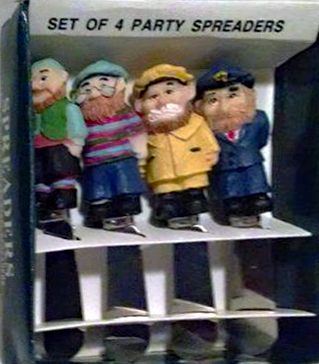
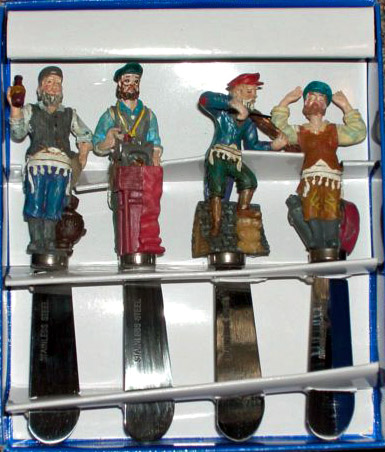
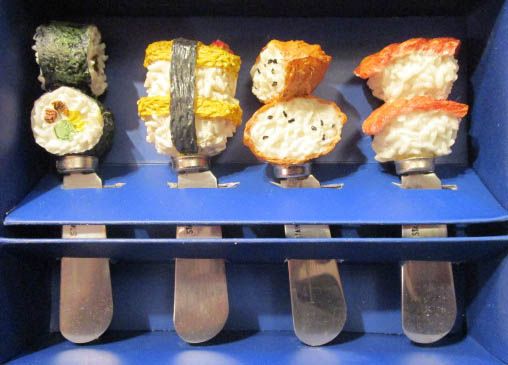
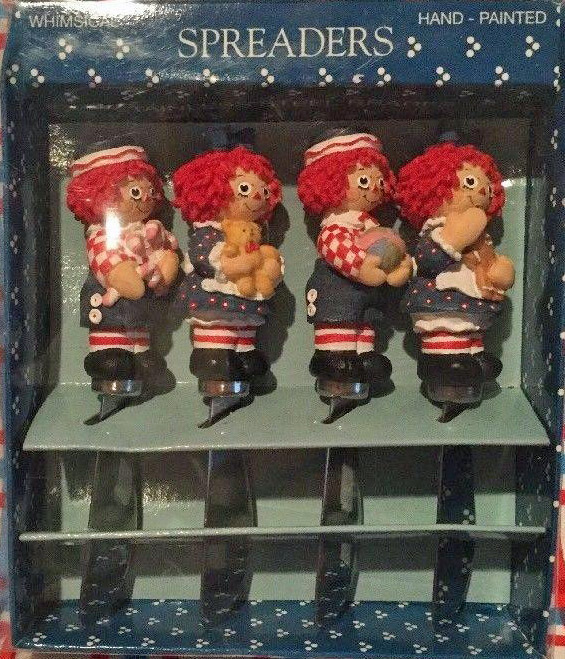
Design Quality
Now we get to the crucial aspect: The design of a set is probably the most important factor in deciding whether to add it to my collection. Here are the design aspects that I look at when considering a set for purchase:
1. First, are the spreaders designed to be and to seem practical — like they could actually be used for spreading cheeses? Some spreader handles are so impractically large that they would never stay on a plate or in a bowl. This is a major design flaw, in my opinion, and renders a set far less desirable to me (the Mud Pie brand of spreaders are particularly notorious in this aspect).
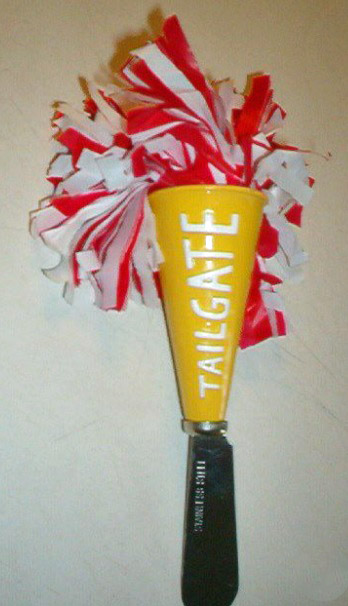
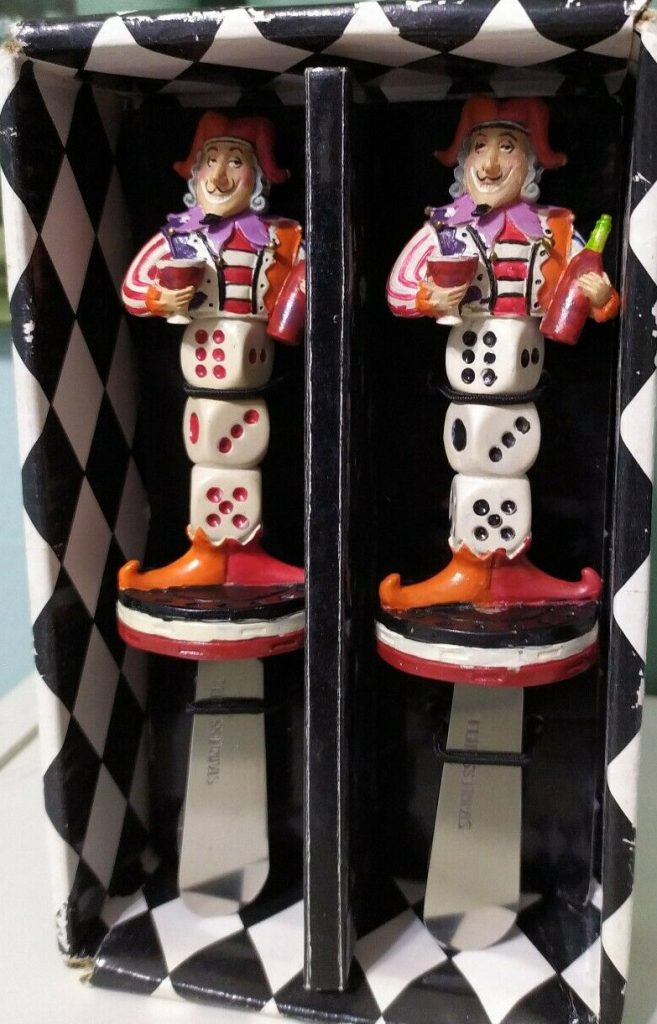
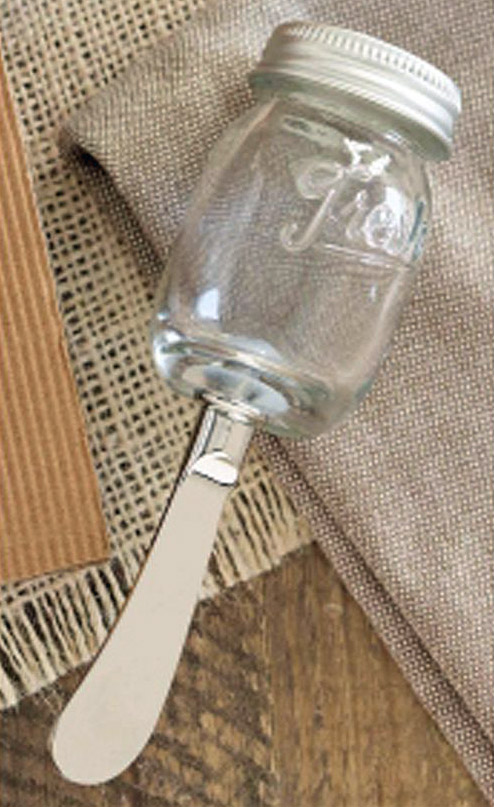
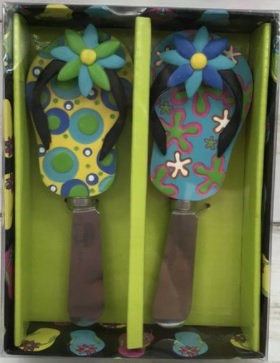
2. Does a set have four different spreaders in it, or four identical ones? The sets with four different spreaders are so much more interesting to me — the relationship between the four spreaders can and should contribute to the appeal of a set.
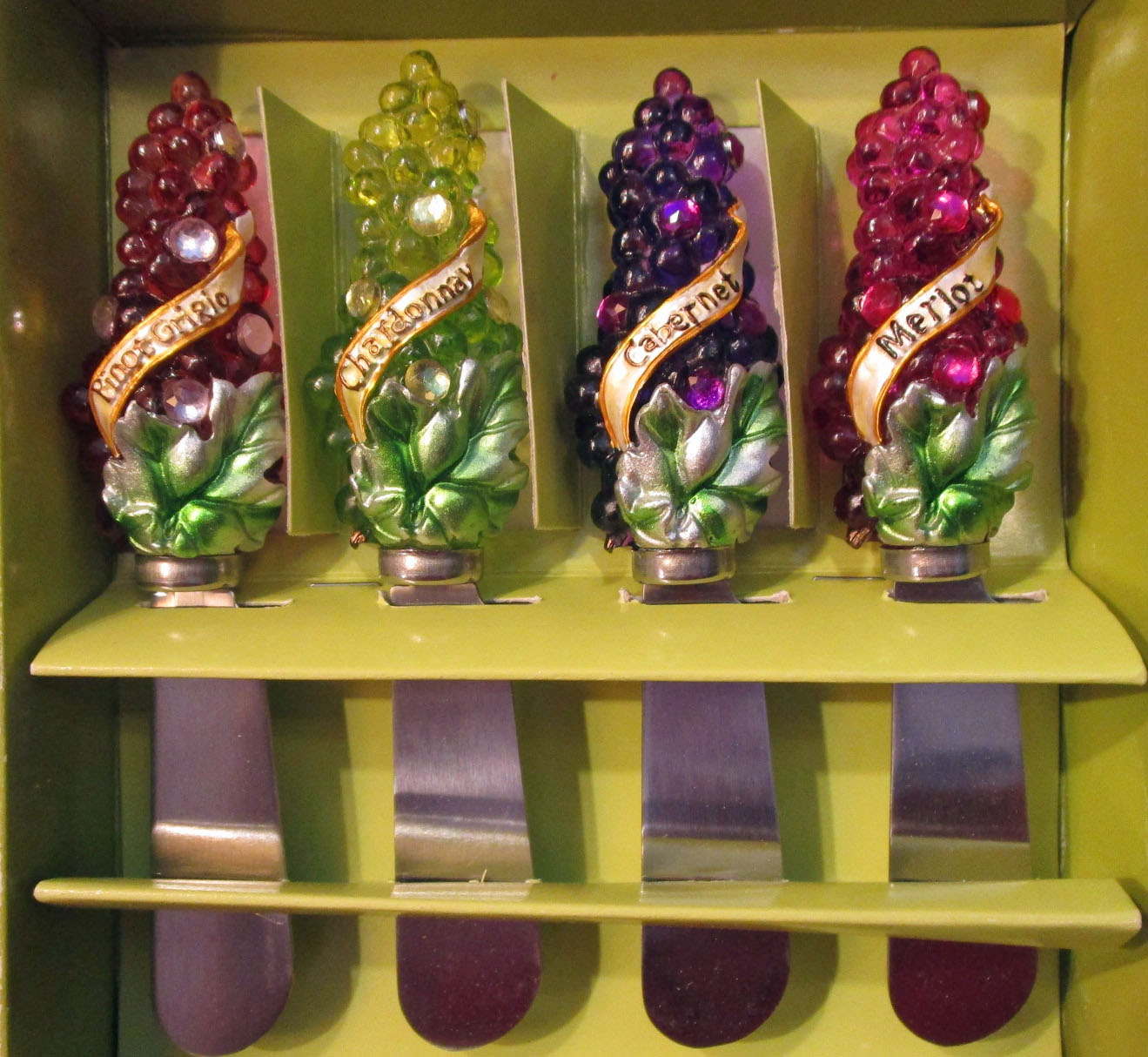
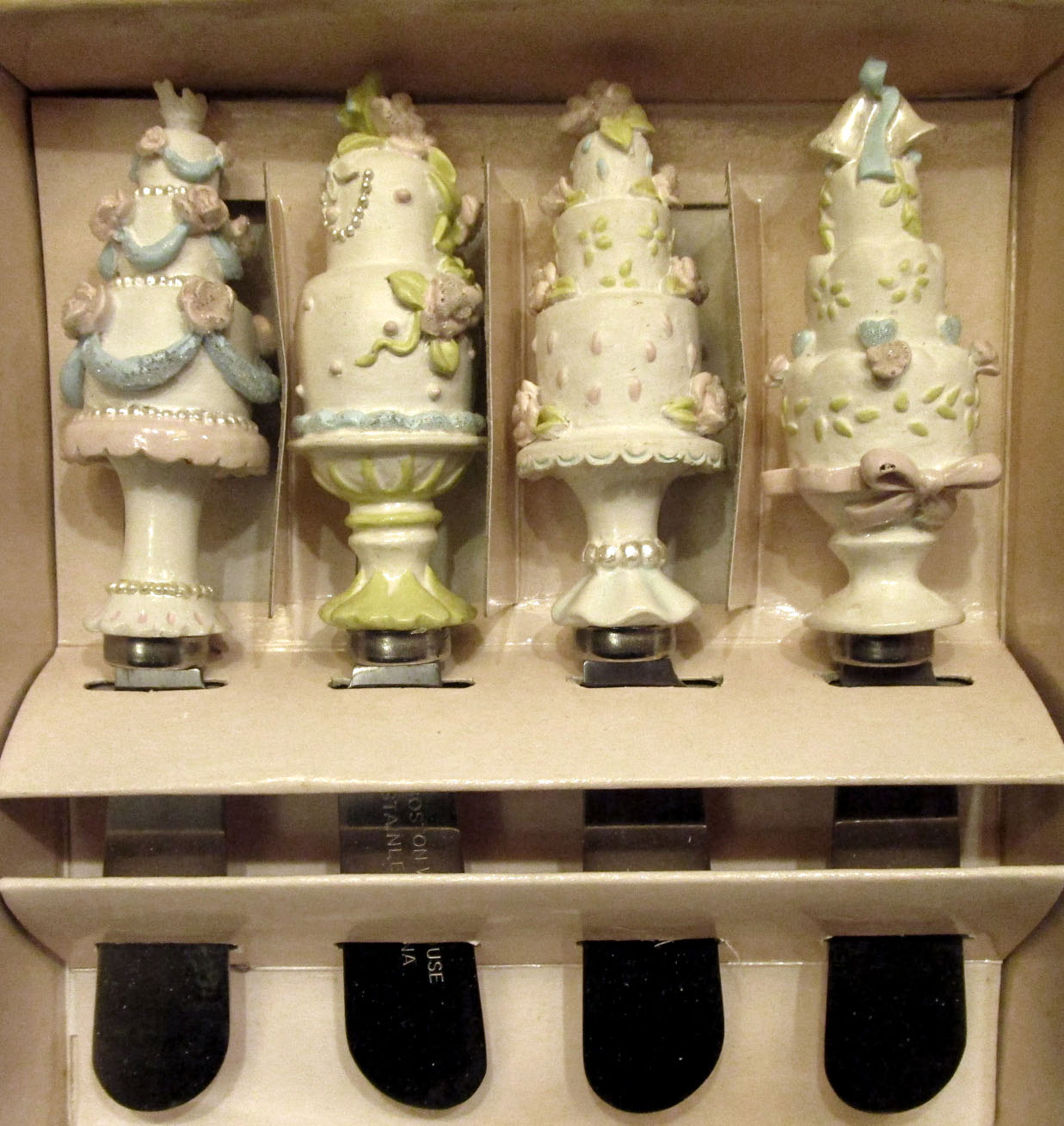
3. Is the design artistically appealing or beautiful or impressively detailed? Some sets are actually beautiful, and often the level of care that went into the fine detail of a set is rather astonishing if you look at it closely — and I like to be astonished by such things.
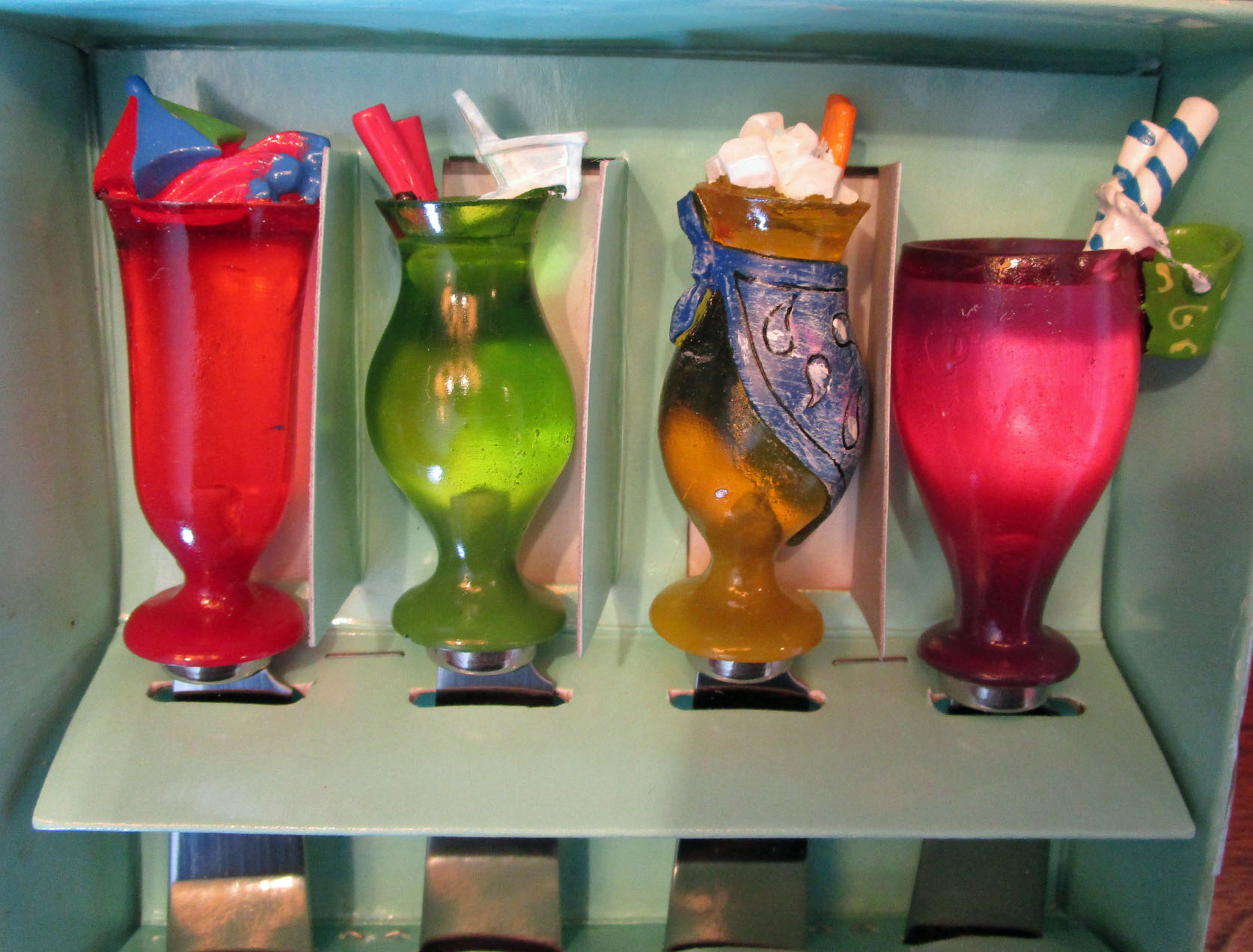
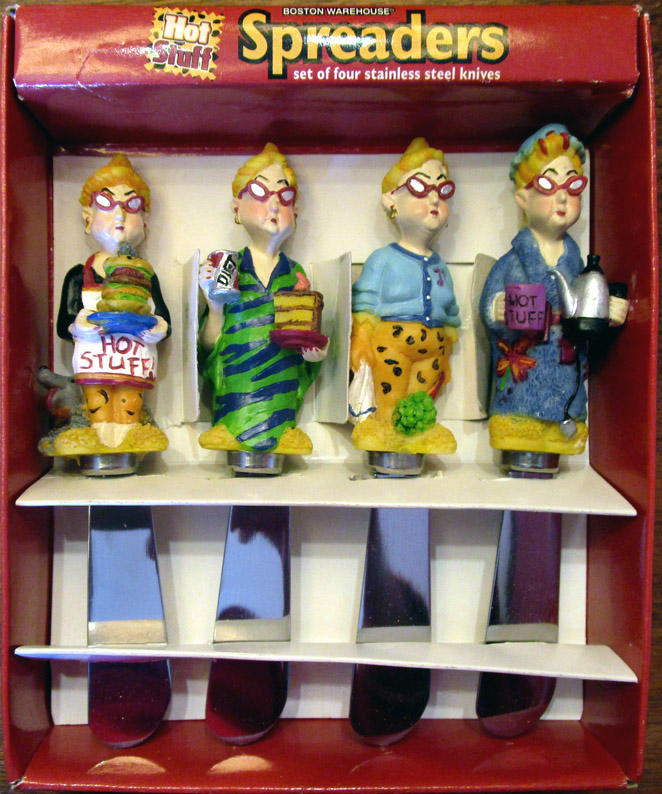
4. Does the design show an individual character that is not found in any other spreader set designs? Perhaps some unusual take on a theme, or a humorous portrayal of something that demonstrates some aspect of American culture?
Ideally there is a sense of clever wit about the design of a set, showing that it doesn’t take itself too seriously. This makes a set worth purchasing.
Craftsmanship / Quality
Of nearly equal importance is how well-constructed a set is:
- Were the handles molded carefully, and the mold seams sanded off?
- Is the paint applied carefully or are the details sloppily painted on?
- I prefer spreaders with brighter paint colors with a bit of a sheen, as opposed to dull, matte paints.
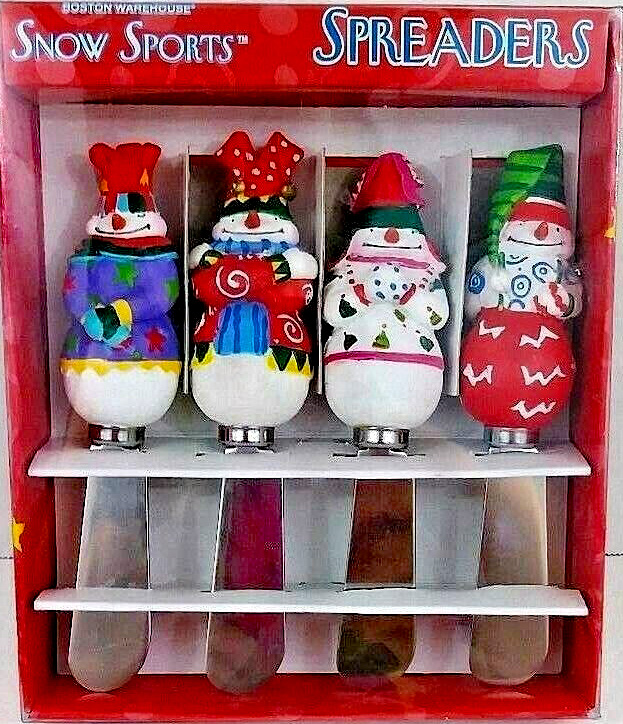
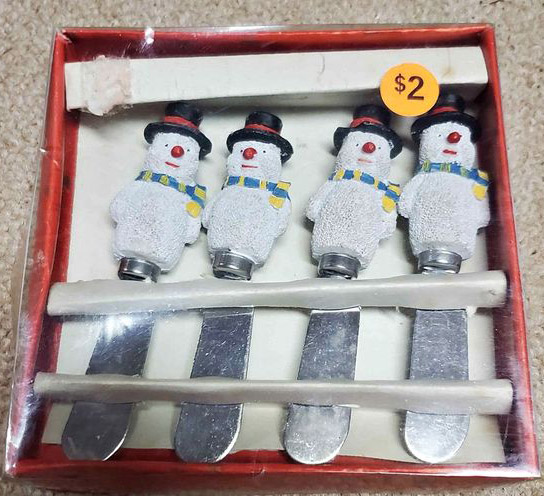
The two sets of snowmen shown above clearly demonstrate the difference between a well-made set and a bargain set.
Rarity
I admit it: I’m more interested in sets that I rarely see. I know I shouldn’t be, but when I see a set that I’ve never laid eyes on before, my first instinct is to immediately try to possess it. I’m often successful in talking myself down from this ledge — often just collecting a picture of it in my Pinterest boards is enough to satisfy me — but not always….
There is an instinctive attraction to novelty that is a deep-seated human trait. Perhaps it has something to do with hundreds of thousands of years spent gathering nuts and berries in the wild: perhaps we are innately drawn to something that looks different, to increase our variety of nutrition. (In fact, the psychiatrist Carl Jung hypothesized that the act of collecting itself, so common among humans everywhere in the world, might have its origins in that prehistoric foraging that insured our survival.) It also could be that we perceive rare objects as conferring status on the possessor.
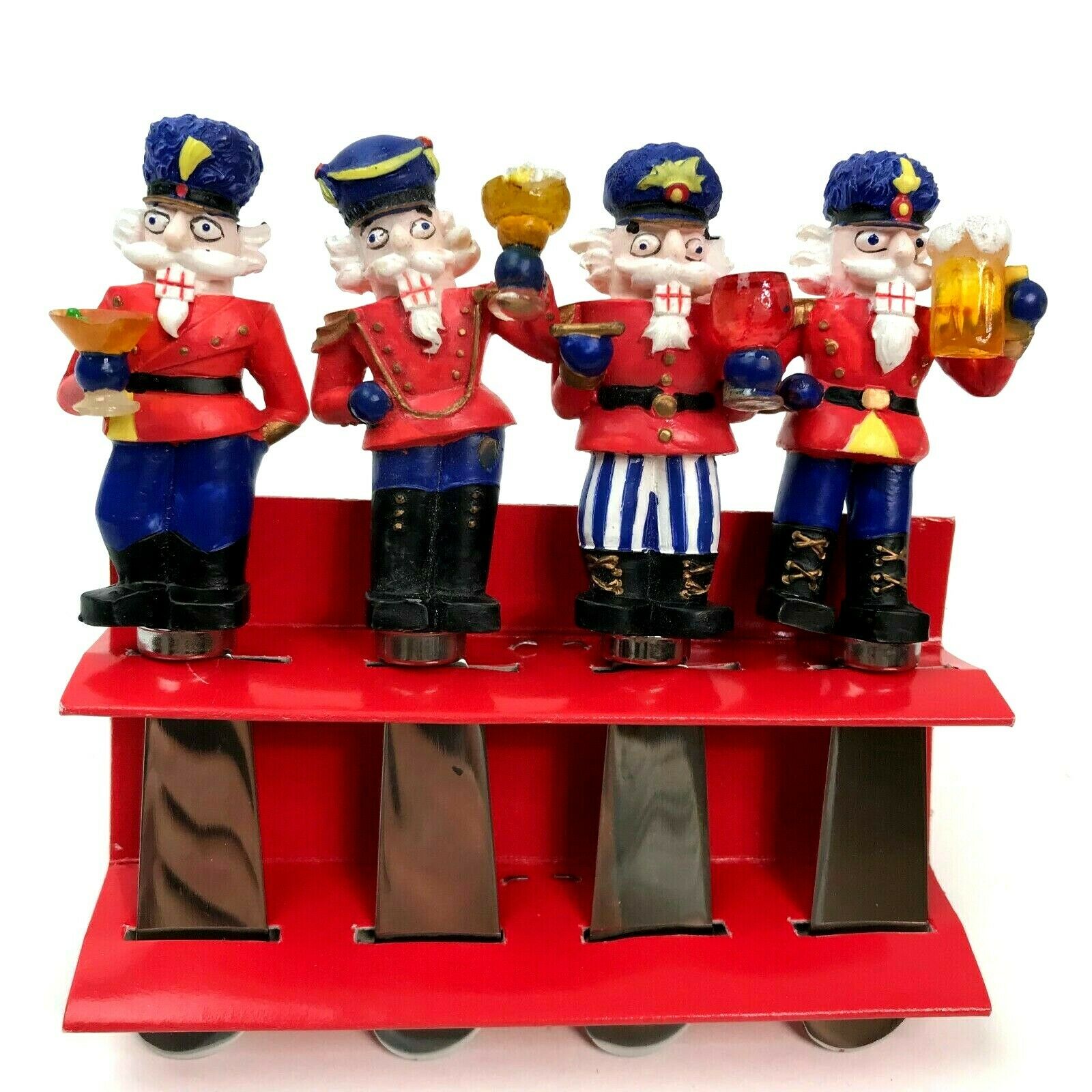
Whatever the reason, when I see yet again another set of Boston Warehouse Christmas spreaders, I’m bored to the point of desperation. But when I come across a well-made set that I’ve only rarely seen, my heart beats faster and I sometimes have trouble rationally deciding whether or not to buy it.
Delight
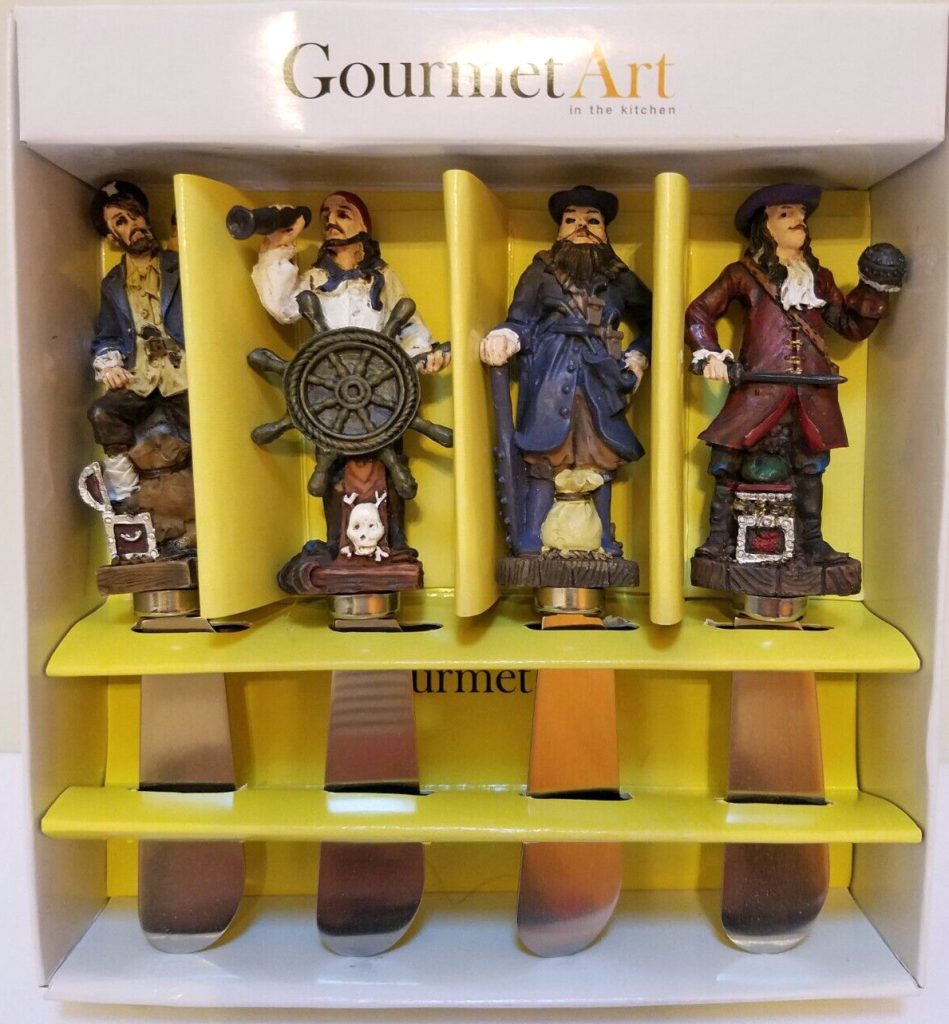
But I think that all the above considerations mean nothing if a spreader set doesn’t induce sheer delight upon seeing it. Delight is the reason collectors collect, that is what they are really pursuing.
Delight is certainly enhanced by rarity, and is also increased by well-designed sets that depict appealing subjects and say something witty about that subject or about our culture.
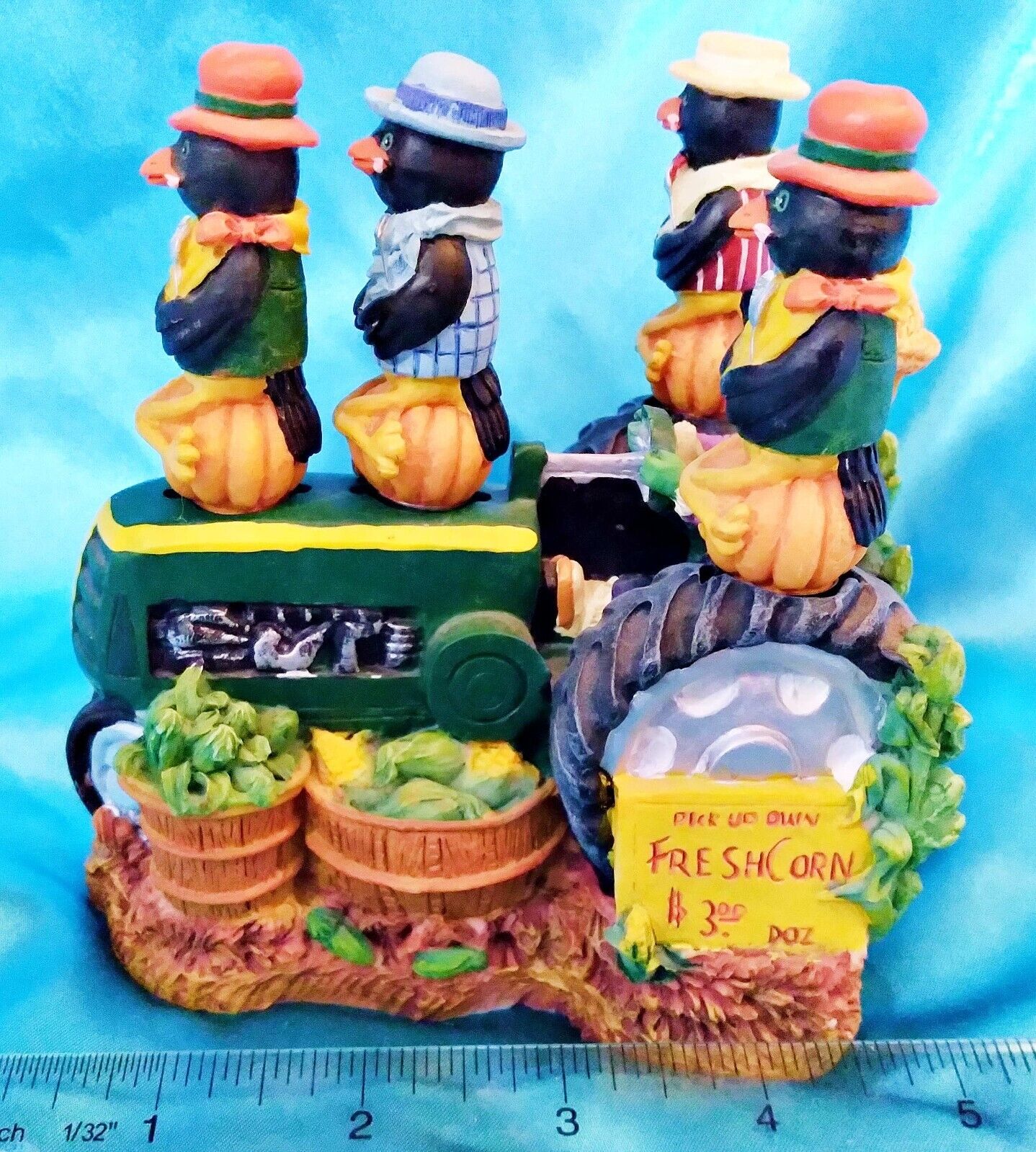
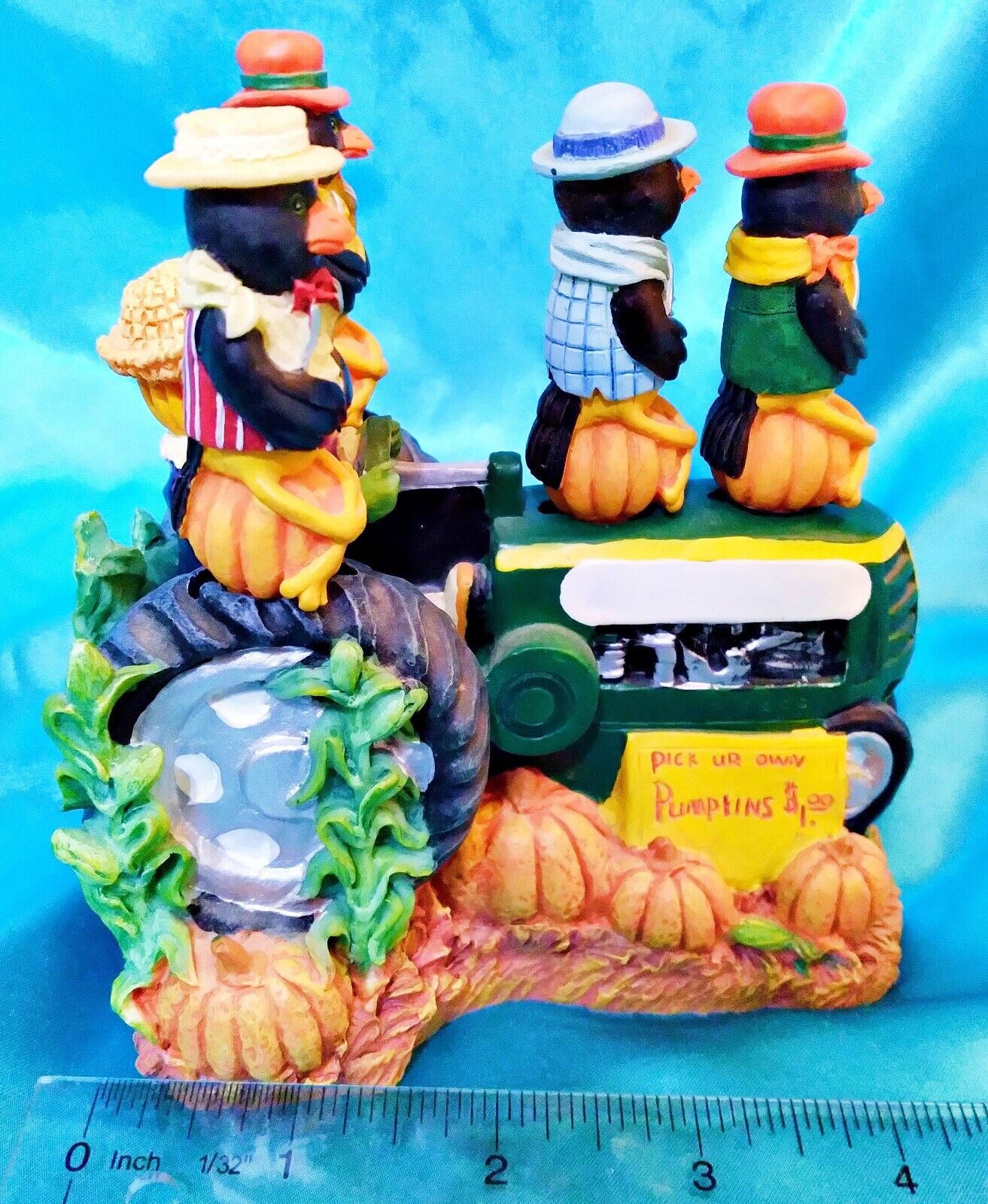
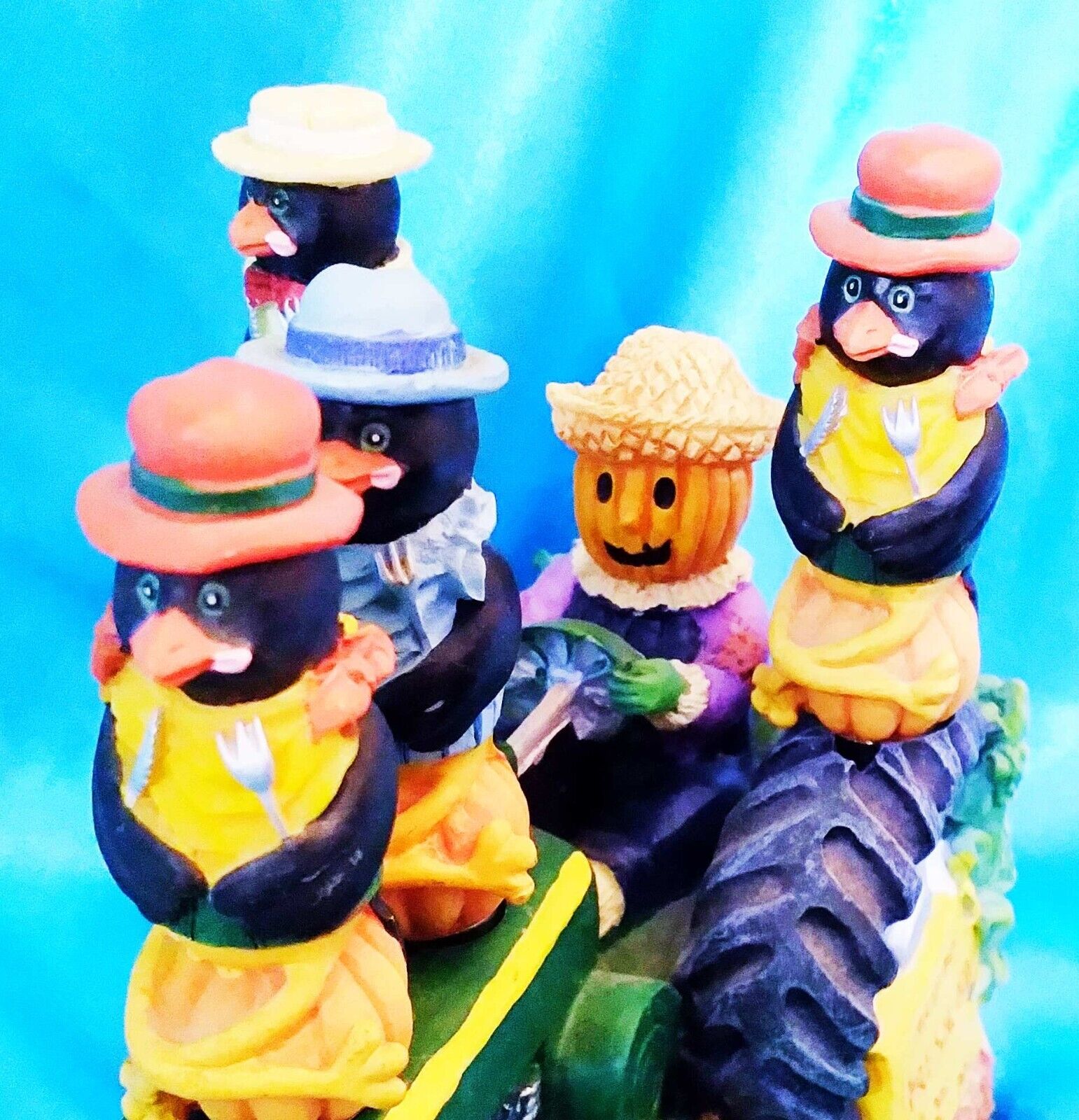
Thanks for reading my post about the collectability of spreader sets, which is probably a similar process for the collectors of any type of item. I hope it might prompt you to think about the factors you yourself think are important when collecting. Thanks! -Beth
